

Homeowners hear the term certified roofing contractor a lot. But few know what that label really means in day to day work. It is not just a badge on a truck or a line in an ad. A certified roofer takes on real duties that shape how long your roof lasts and how much it costs you down the road.
This guide breaks down what a certified roofing contractor does at each stage of a project. It also covers roofing certifications, what makes a roofer an insured roofer, roofing compliance in Texas, and how a roof inspection works. By the end, you will know what to expect from a trained pro, and how that differs from hiring an uncertified crew.
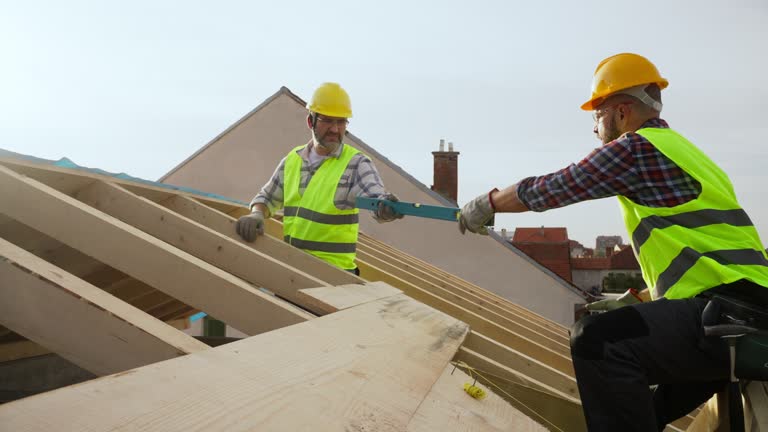
Who Is a Certified Roofing Contractor
A certified roofing contractor is a roofer who has taken training from a material maker or a trade group. This training covers how to install a specific product the right way. It also often covers safety rules, code updates, and how to handle common problems on a roof.
Certification is not the same as a license. A license, where it applies, is a legal step tied to a city or state. A certification is a skill based credential tied to a brand or a trade group. Many certified roofers hold both. Some hold only a certification, since Texas has no state license for roofing work.
The Core Roles of a Certified Roofing Contractor
A certified roofer wears many hats on a single project. Below are the main duties you can expect from a trained, credentialed roofer.
Roof Inspection and Assessment
Every good roofing job starts with a full check of the roof. A certified roofer looks at the shingles, the flashing, the vents, and the deck underneath. They also check for soft spots, water stains, and signs of past leaks. This step tells the roofer what work the roof actually needs, rather than guessing based on a quick glance from the ground.
Material Selection and Installation
Once the roofer knows the scope of the job, they help you pick the right materials. This includes the shingle type, the underlayment, and any added layers for heat or storm protection. A certified roofer installs these materials by the maker’s exact steps. This matters because most warranties only apply when the install follows those steps closely.
Code and Safety Compliance
Roofing work must follow local building codes. These codes cover things like how nails are spaced, how flashing is sealed, and how many layers of shingles a roof can carry. A certified roofer knows these rules and builds them into every job. This step protects you from failed inspections and future safety issues.
Warranty and Documentation Handling
A certified roofer also manages the paperwork tied to your project. This includes registering your roof with the material maker, filing for any extended warranty, and giving you copies of all permits and inspection records. This paperwork matters most if you ever need to file a claim. Homeowners who want a single team to handle every stage of this process often look for a company offering full roofing services, rather than juggling separate contractors for each step.
Understanding Roofing Certifications
Roofing certifications come from two main sources. The first is the material maker, such as a shingle brand. The second is a trade group focused on roofing standards.
Brand certifications usually come in tiers. A roofer at a higher tier has often installed more of that brand’s product and passed more training. Roofers at these higher tiers can often offer you a longer, stronger warranty than a roofer with no certification at all.
Trade group certifications work a bit differently. These groups set rules of conduct and offer ongoing training on safety, code updates, and best practices. Membership alone does not prove hands on skill. But paired with a brand certification, it adds one more layer of proof that a roofer takes their trade seriously.
What Makes a Roofer an Insured Roofer
General liability insurance covers damage to your home or property during the job. If a tool falls and cracks a window, or a ladder scrapes your siding, this policy covers the repair cost.
Workers compensation insurance covers injuries to the crew while they work on your property. Without this coverage, you could be held liable if a worker gets hurt on your roof. This is one of the most important things to check before you hire anyone, certified or not.
Roofing Compliance in Texas
Roofing compliance in Texas covers a mix of local codes, permit rules, and insurance requirements. Since Texas has no state roofing license, compliance rests more on local city rules and the roofer’s own paperwork than on a single statewide standard.
Most cities require a permit for a full roof replacement, and some require one for larger repairs as well. A compliant roofer pulls these permits before work starts, rather than skipping this step to save time. Skipping permits can cause problems later, especially if you try to sell your home or file an insurance claim tied to the roof.
How a Roofing Inspection Works
First, the roofer checks the roof from the ground and then from the roof itself, weather and safety permitting. They look at the shingles for curling, cracking, or missing pieces. Next, they check flashing around chimneys, vents, and skylights, since this is a common spot for leaks to start.
After the outside check, a thorough roofer also looks in the attic. This step reveals water stains, poor airflow, or light coming through small gaps that are hard to spot from outside. Once the check is done, you should get a clear written report. This report should list any problems found, along with photos and a plan for repair or replacement if needed.
Why Choose a Residential Roofing Company Over an Individual Roofer
Some homeowners consider hiring an individual roofer instead of a full residential roofing company. This can seem cheaper at first. But a full company brings a few real advantages worth weighing.
A residential roofing company usually has a full crew, so your job moves faster and does not depend on one person’s schedule. It also tends to carry stronger insurance coverage, since a company has more at stake than a single worker. Most companies also offer a labor warranty on top of the material warranty, which an individual roofer often cannot match.
A company is also easier to trace later. If a problem shows up two years after the job, a company with a local office and a real track record is far easier to reach than an individual who may have moved on to other work. If you only need a fix in one spot rather than a full project, ask whether the company offers dedicated roof repair services so you are not paying for more work than the roof actually needs.
How to Find Reliable Roofing Installers Near You
Searching for roofing installers near me often brings up a long list of names, and it can be hard to tell which ones are worth calling. Start by checking each company’s certification status and proof of insurance before you request a quote. This step alone filters out a large share of unreliable options.
It also helps to ask how long a company has worked in your specific area. Roofers with deep local ties tend to know your city’s permit process, common weather issues, and which materials hold up best in your climate. This local knowledge often shows up in the quality of the finished job.

When to Consider Roofing Replacement
Not every roof problem calls for a full teardown. But there are clear signs that point to roofing replacement rather than another round of patch repairs. These include widespread shingle damage, a roof past its expected lifespan, repeated leaks in different spots, or sagging areas in the roof deck.
If you notice any of these signs, it is worth getting a full inspection before deciding on repair versus replacement. A certified roofer can walk you through the real condition of your roof and give you an honest read on which option makes more sense for your budget and timeline. If you are searching for roofing replacement near me, start with a company that offers a full inspection first, rather than one that quotes a replacement over the phone without seeing the roof.
If you want to talk through your options with a certified team, you can reach out through the contact page to set up a visit and get a clear plan for your roof.
Signs You Have Hired the Right Roofing Contractor
A few clear signs point to a roofer who takes their work seriously. They give you a written estimate that breaks down labor and materials, rather than a single vague number. They walk you through their certification and insurance without being asked twice. They also explain the inspection findings in plain terms, showing you photos rather than just describing problems verbally.
Conclusion
A certified roofing contractor does far more than swing a hammer. From the first inspection to the final paperwork, certification shapes how a roof gets built, how well it holds up, and what protection you have if something goes wrong later. Understanding roofing certifications, checking that a roofer is a properly insured roofer, and confirming they follow roofing compliance in Texas all give you a clearer picture of who you are hiring. A thorough roofing inspection, done by a trained pro, remains one of the best ways to protect your home and your budget over the long run.
Frequently Asked Questions
What does a certified roofing contractor actually do differently from a regular roofer?
A certified roofing contractor follows exact install steps set by a material maker or trade group. This often leads to stronger warranty coverage, better code compliance, and more consistent results compared to an uncertified crew.
Why does roofing certification affect my warranty?
Many extended or upgraded warranties only apply when a certified roofer installs the product. If an uncertified roofer does the work, you may only qualify for a basic material warranty with much less coverage.
What should I ask to confirm a roofer is an insured roofer?
Ask for a current certificate of insurance showing both general liability and workers compensation coverage. Then call the insurer directly to confirm the policy is still active before work begins.
How does roofing compliance in Texas work without a state license?
Since Texas has no state roofing license, compliance depends on local city permits, building codes, and a roofer’s own insurance and certification records. Checking these directly is the main way to confirm a roofer is compliant.
How often should I get a roofing inspection?
Most roofers suggest a full roofing inspection once a year, along with a check after any major storm. This helps catch small issues early, before they turn into costly repairs or lead to a full roof replacement.