


Emergency roof repair situations can quickly turn into a stressful experience for homeowners. A sudden leak during a storm, missing shingles after high winds, or visible ceiling damage often happens without warning. In these moments, knowing how to respond before professional help arrives can make a major difference.
When searching for emergency roof repair, many homeowners feel overwhelmed and unsure about what steps to take first. Panic often leads to rushed decisions, temporary mistakes, or delays that allow additional water damage to spread throughout the home.
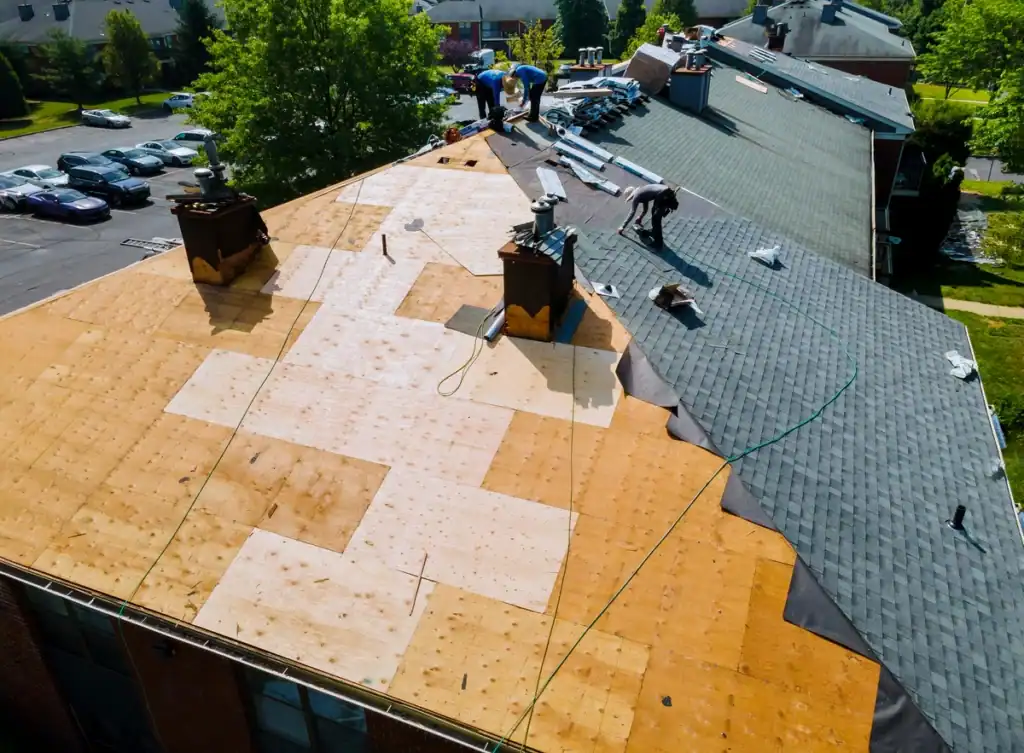
That is why homeowners trust experienced companies like Clean Cut Roofing for fast response times, professional inspections, and reliable emergency roofing support when urgent problems happen unexpectedly.
Whether you are dealing with active leaks, storm-damaged roofing issues, or structural concerns after severe weather, acting quickly and safely is critical.
Why Emergency Roof Repair Should Never Be Delayed
Roofing problems rarely improve on their own. In fact, even a small leak can quickly spread into larger structural issues if left untreated.
Emergency roof damage may lead to:
- Interior water damage
- Mold growth
- Damaged insulation
- Ceiling collapse risks
- Electrical hazards
- Structural weakening
Fast action helps reduce repair costs and prevents further damage to your home.
Many homeowners wait too long because they assume the issue is minor. However, hidden moisture often spreads behind walls and ceilings before visible signs become obvious.
Common Causes of Roofing Emergencies
Understanding what causes sudden roofing damage can help homeowners respond more effectively.
Severe Storm Damage Roofing Problems
Storms remain one of the most common causes of roofing emergencies in Texas.
Heavy rain, hail, wind, and falling debris can damage shingles, flashing, gutters, and roof decking quickly.
Sudden Roof Leaks
Leaks may appear unexpectedly after storms or due to aging roofing materials.
Even small openings can allow significant moisture into the home during heavy rainfall.
Fallen Tree Branches
Strong winds and storms often cause branches to fall directly onto roofs.
This type of damage may create punctures or structural concerns that require immediate attention.
Flashing Failures
Flashing protects vulnerable roof areas around vents, chimneys, and skylights.
Damaged flashing can allow water intrusion during storms.
Aging Roofing Systems
Older roofs naturally weaken over time and become more vulnerable during severe weather events.
What to Do First During a Roofing Emergency
When facing an urgent roofing issue, homeowners should focus on safety before anything else.
Stay Calm and Assess the Situation
Avoid panic and inspect the damage carefully from inside the home first.
Look for:
- Active water leaks
- Ceiling stains
- Sagging drywall
- Dripping water
- Missing shingles visible from windows
Do not climb onto the roof during dangerous weather conditions.
Protect Interior Areas
Move furniture, electronics, rugs, and valuables away from leaking areas.
Use buckets or containers to collect water and reduce interior damage.
Turn Off Electricity if Necessary
Water near electrical fixtures creates serious hazards.
If water reaches outlets, lighting fixtures, or electrical panels, contact an electrician or safely shut off power if possible.
Document the Damage
Take photos and videos of visible damage for insurance purposes.
Documentation may help during future repair or insurance discussions.
Why Temporary Roof Fixes Matter
Homeowners often need a temporary roof fix before permanent repairs can begin.
Temporary protection helps reduce additional water intrusion while roofing professionals assess the full extent of the damage.
Common temporary solutions may include:
- Emergency tarping
- Leak containment
- Protective coverings
- Debris removal
- Temporary sealing
However, temporary repairs should never replace professional inspections or permanent restoration work.
Avoid Dangerous DIY Roof Repairs
Many homeowners attempt emergency roof repairs themselves to save time or money. Unfortunately, this often creates additional problems.
Climbing onto a damaged roof during storms or wet conditions can be extremely dangerous.
DIY repairs may also:
- Worsens hidden damage
- Void warranties
- Create safety hazards
- Delay professional restoration
- Lead to improper sealing
Professional roofing contractors have the equipment and training needed to handle emergency conditions safely.
How 24 Hour Roof Repair Services Help Homeowners
Roofing emergencies do not always happen during regular business hours.
That is why many homeowners search for 24-hour roof repair services after storms or sudden leaks.
Emergency roofing companies provide fast support through:
- Immediate response calls
- Emergency tarping
- Leak containment
- Damage inspections
- Temporary stabilization
- Repair scheduling
Quick response times can significantly reduce the amount of water damage inside the home.
Signs You Need Immediate Roof Repair
Some roofing problems require urgent professional attention.
Contact an emergency roofing company immediately if you notice:
Active Water Leaks
Steady dripping or flowing water should never be ignored.
Sagging Ceilings
This may indicate trapped water and structural stress.
Missing Roofing Materials
Large sections of missing shingles or flashing increase leak risks quickly.
Visible Structural Damage
Roof sagging or exposed decking requires immediate evaluation.
Mold or Strong Moisture Odors
Persistent moisture may indicate hidden water intrusion.
Fast action helps prevent further structural deterioration.
How Professional Roofers Inspect Emergency Damage
A professional emergency roof repair inspection involves more than visible surface damage.
Roofing contractors often evaluate:
- Shingle condition
- Flashing integrity
- Roof decking
- Ventilation systems
- Water intrusion points
- Gutter damage
- Structural stability
Some damage may not be visible immediately after a storm. That is why professional inspections are important, even when leaks appear minor.
Insurance Claims and Storm Damage Roofing
Storm damage often creates confusion regarding insurance coverage.
Professional contractors frequently help homeowners:
- Document damage
- Identify storm-related issues
- Prepare inspection reports
- Understand repair recommendations
However, homeowners should always review their own insurance policies carefully and communicate directly with their insurance provider.
Clear documentation and fast inspections may help simplify the claims process.
Why Fast Response Prevents Bigger Problems
Roof leaks spread faster than many homeowners realize.
Water can move through:
- Insulation
- Ceiling cavities
- Drywall
- Flooring
- Electrical systems
A delayed response may lead to additional repairs far beyond the roof itself.
That is why homeowners searching for roofers repair near me should prioritize companies that offer rapid emergency support and clear communication.
Choosing the Right Emergency Roofing Company
Not every roofing contractor handles emergencies effectively.
Homeowners should look for companies that provide:
- Emergency response services
- Licensed and insured crews
- Local roofing experience
- Clear communication
- Detailed inspections
- Written estimates
- Temporary protection solutions
Fast response alone is not enough. Professional workmanship and proper assessments matter equally.
Why Local Roofing Experience Matters
Local roofing contractors understand regional weather conditions and common roofing challenges better than out-of-town companies.
This is especially important after severe storms when many temporary contractors travel into affected areas.
A trusted local roofing company offers:
- Faster response times
- Local accountability
- Familiarity with weather conditions
- Better long-term service support
Working with experienced local professionals often leads to smoother repair experiences.
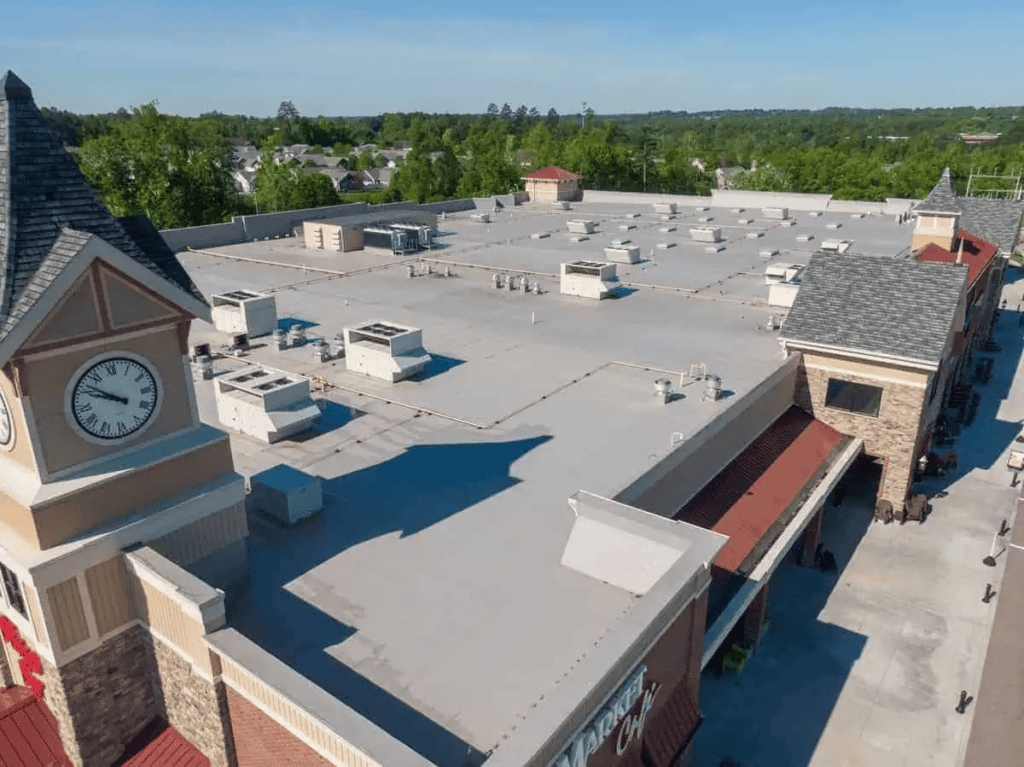
How Clean Cut Roofing Supports Emergency Roofing Need
Clean Cut Roofing provides fast and dependable emergency roofing support for homeowners facing urgent roof damage.
The company helps homeowners through:
- Emergency inspections
- Temporary roof protection
- Leak mitigation
- Storm damage assessments
- Professional repair planning
- Reliable communication
By responding quickly and focusing on long-term roofing performance, Clean Cut Roofing helps homeowners protect their homes during stressful situations.
Tips to Reduce Future Roofing Emergencies
While some emergencies cannot be avoided, regular maintenance helps reduce risks significantly.
Schedule Roof Inspections
Routine inspections help identify small issues before they worsen.
Clean Gutters Regularly
Blocked drainage systems increase water backup risks.
Trim Overhanging Branches
Tree limbs can damage roofing systems during storms.
Replace Damaged Shingles Promptly
Minor damage often spreads if ignored.
Monitor Attic Moisture
Proper ventilation helps reduce moisture buildup inside the home.
Preventive care supports longer roof lifespan and fewer emergency repairs.
Final Thoughts
Roofing emergencies can happen without warning, especially during severe weather conditions. Whether you are dealing with active leaks, missing shingles, or storm damage roofing issues, acting quickly helps reduce long-term damage and repair costs.
Professional emergency roof repair services provide immediate protection, detailed inspections, and reliable solutions that help homeowners regain peace of mind during stressful situations.
Clean Cut Roofing focuses on fast response times, professional communication, and dependable roofing repairs designed to protect Texas homes from further damage.
If your roof has been damaged by storms, leaks, or sudden structural issues, contact Clean Cut Roofing today for emergency roofing support and immediate assistance from experienced roofing professionals.
FAQ
1. What qualifies as an emergency roof repair situation?
Active leaks, storm damage, structural concerns, or sudden roofing failures often require emergency service.
2. Can a temporary roof fix stop leaks completely?
Temporary repairs help reduce water intrusion but should not replace permanent professional repairs.
3. How quickly should I call for 24-hour roof repair?
Homeowners should contact a roofing company immediately after noticing serious leaks or visible storm damage.
4. Is storm-damage roofing always covered by insurance?
Coverage depends on your policy terms and the cause of the damage.
5. Should I climb onto my roof during an emergency?
No. Wet or damaged roofs can be extremely dangerous during storms or high winds.
6. How do roofers inspect hidden leak damage?
Professional inspections evaluate shingles, flashing, attic spaces, roof decking, and moisture intrusion areas.